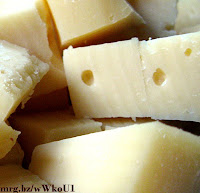
One of the quickest ways to make a new word unforgettable is to tie it to a tiny story that makes you smile. Today's beginner moment features Perica - the ever-complaining Serbian schoolboy of folklore - and a very reasonable objection about his lunch. By the time you finish reading, sir (cheese) and rupe (holes) will be lodged firmly in your memory.
The joke is short, the vocabulary is everyday, and the punchline lands in a single sentence. That is exactly what makes it such a perfect little language lesson. Enjoy it first as a joke, then we will pull out the useful pieces together.
The Joke
Serbian original:
Perica: "Mama, rekao sam ti sto puta da ne volim sir s rupama!"
Mama: "Ti onda jedi sir, a rupe ostavi."
English translation:
Perica: "Mum, I told you a hundred times that I don't like cheese with holes!"
Mum: "Then eat the cheese and leave the holes."
Useful Words from the Joke
Here are the key phrases pulled out and ready to use. Notice that rekao sam ti changes slightly depending on who is speaking:
| Serbian | English | Note |
|---|---|---|
| rekao sam ti | I told you | masculine speaker |
| rekla sam ti | I told you | feminine speaker |
| sto puta | a hundred times | very natural for emphasis |
| ne volim | I don't like / I don't love | negative of voleti |
| sir | cheese | masculine noun |
| s rupama | with holes | instrumental plural of rupa |
| rupe | holes | nominative plural of rupa |
Why Jokes Help You Learn
A tiny story with a punchline creates a small emotional event in your brain, and emotional events stick. You are not memorising a word list - you are remembering the moment Perica's mum delivered the most logical and unhelpful response imaginable. That mental image carries sir, rupe, and rekao sam ti along with it every single time.
There is also a very practical reward here: rekao/rekla sam ti sto puta is a real, living phrase that Serbians use when they are mildly exasperated with someone they love. Learn it from Perica today, and you will be able to use it (or at least recognise it with a grin) in a genuine conversation far sooner than you might expect.
Frequently Asked Questions
- Is sir with holes (sir s rupama) a specific type of cheese?
- It can refer to any holey cheese - think Swiss-style. Serbian cuisine has many wonderful cheeses, but the holey variety gave Perica his complaint and us our vocabulary lesson, so it earns a place of honour here.
- How do I say "I told you"?
- Use rekao sam ti if you are male, or rekla sam ti if you are female. The verb reci (to say/tell) has a past participle that agrees with the speaker's gender - masculine rekao, feminine rekla. It sounds more complicated than it feels in practice.
- Was this joke actually funny to Perica?
- Almost certainly not - which is precisely what makes it funny to the rest of us. Mum's answer is perfectly literal and completely unhelpful, which is a beloved comedic formula in any language. Perica has been the butt of Serbian children's jokes for generations, and he handles it with admirable, if fictional, patience.
Perica may never get a hole-free lunch, but you now have a handful of genuinely useful everyday phrases to take away. I am Marina Petrovic, and I love using little stories like this one because they make vocabulary feel like something that happened to you, not something you studied. Keep collecting these small moments - they add up faster than you think. For more everyday Serbian phrases and beginner vocabulary, head over to More easy phrases - there are plenty of friendly examples waiting for you there.